By Drew Schock
November 11, 2026
A new shower enclosure can change the appearance and functionality of a bathroom, but a successful project begins well before the glass arrives. During the initial discussion, the installer will learn about the bathroom layout, the existing shower or tub, and the homeowner's preferred appearance. This conversation helps establish the project scope and identify practical considerations that may affect the installation. It also gives homeowners an opportunity to explain concerns about access, privacy, cleaning, and the overall design.
The condition of the surrounding area is an important part of the early assessment. The installer may look at the walls, curb, threshold, and other surfaces where the enclosure will be secured. Existing tile, stone, and other finishes can affect how the glass and hardware are fitted. Discussing these details in advance helps the team plan an installation that works with the bathroom's existing construction and the selected shower doors.
Review the Available Door Styles
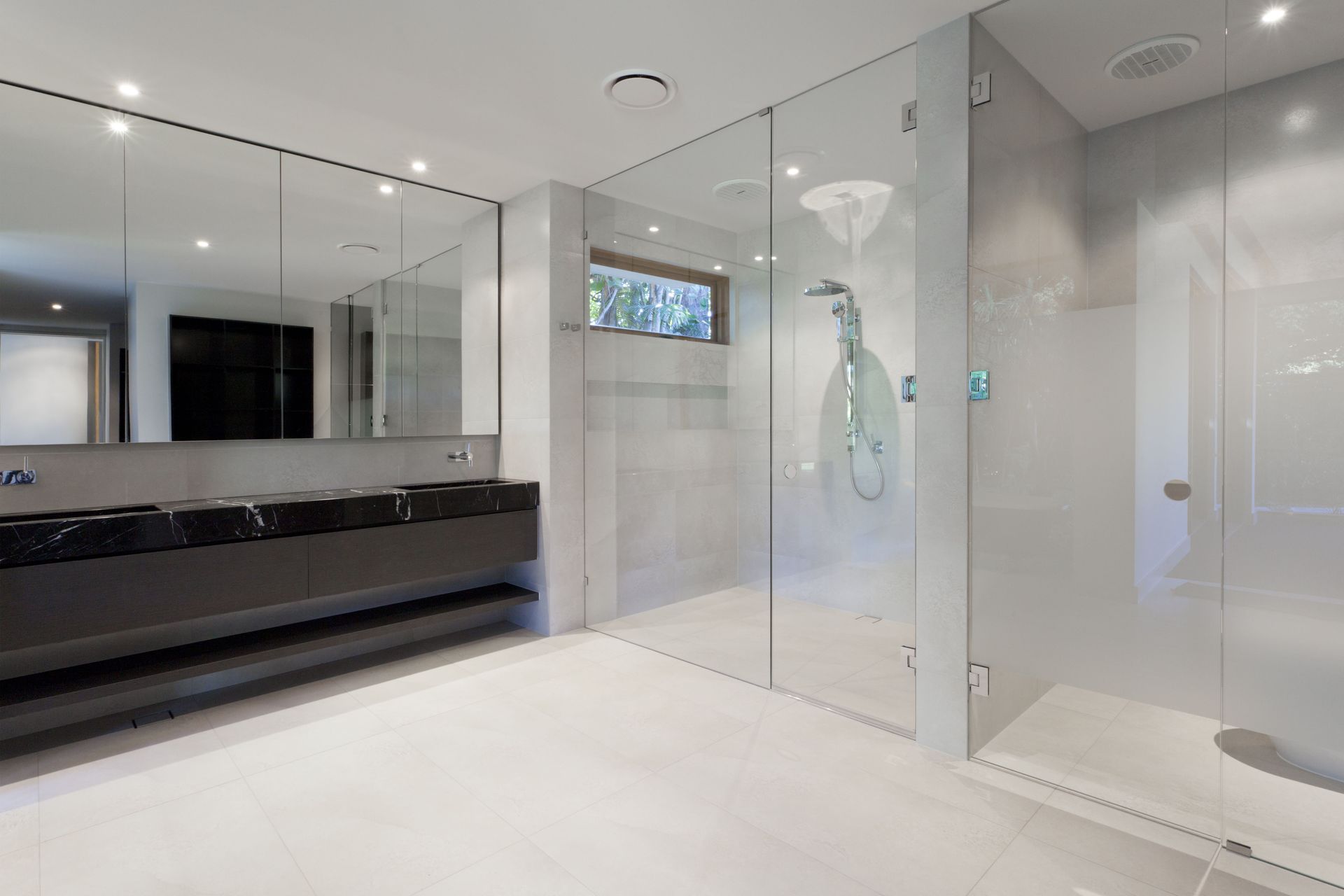
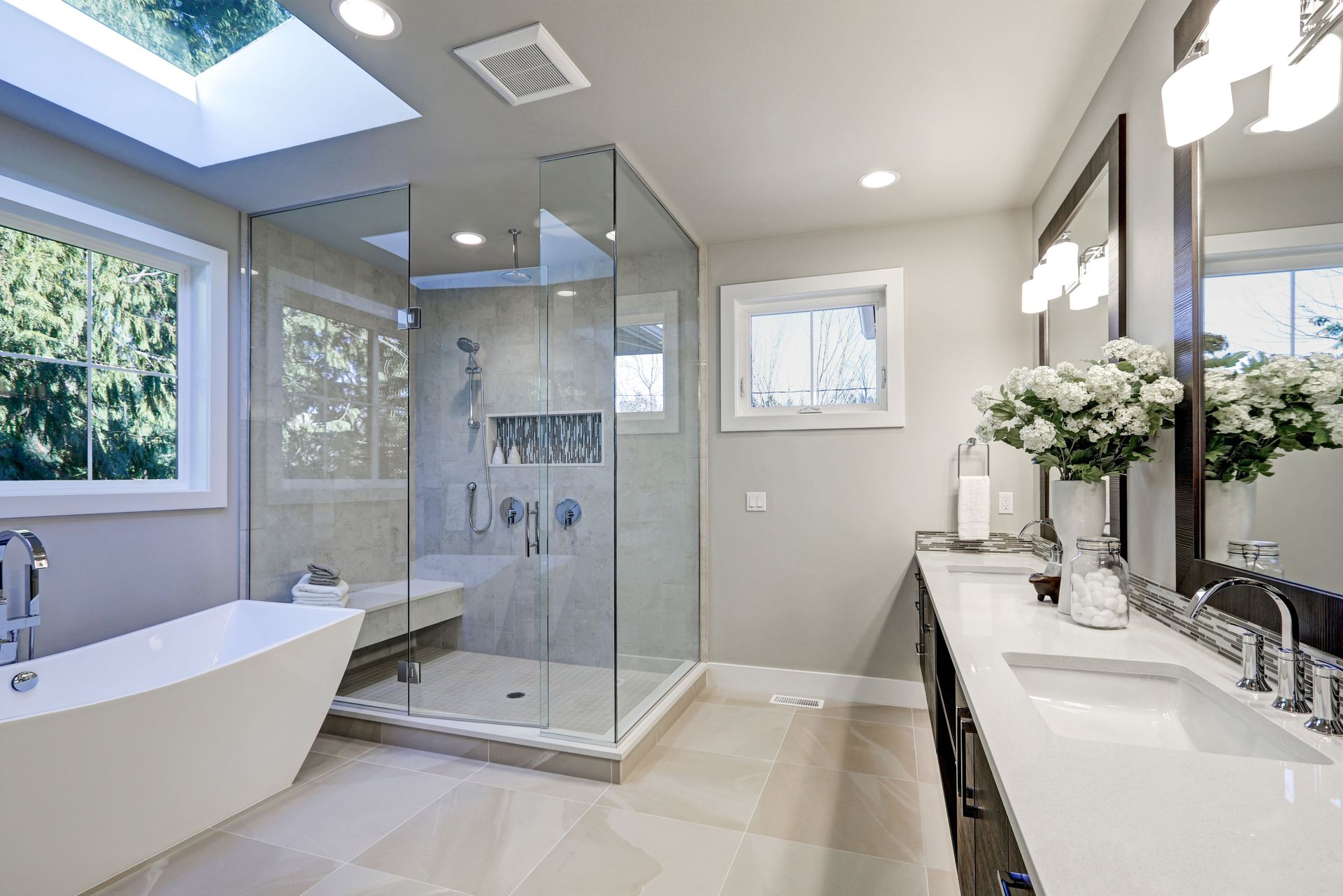
Homeowners can choose from several configurations, and each creates a different look and experience. Framed designs use metal around the glass panels, while frameless options rely on heavier glass and carefully selected hardware for support. Sliding doors are often considered when a swinging panel would take up too much room, whereas hinged designs require adequate clearance to open. The right choice depends on the dimensions of the shower, the bathroom layout, and the homeowner's preferences for shower doors.
Glass appearance and hardware finishes also influence the final result. Clear glass can create an open visual effect, while patterned, frosted, or textured glass may provide additional privacy. Hardware is available in finishes that can coordinate with faucets, towel bars, and other bathroom fixtures. According to Cognitive Market Research, Kohler Co. holds a 13.5% share of the global market, partly reflecting its broad range of customizable framed and frameless glass door options. This illustrates the range of design choices available to homeowners comparing products.
Measure the Opening With Precision
Accurate measurements are essential because glass panels are typically made to suit the specific opening. During the measurement appointment, the installer will assess the width and height at relevant points rather than assume that the walls and threshold are perfectly level or square. The team may also examine angles, changes in wall depth, and the position of nearby fixtures. These details help determine the appropriate panel dimensions and configuration.
The measurement process also helps establish where hinges, brackets, tracks, and other components can be positioned. The installer considers the type of enclosure selected and the surfaces that will support its hardware. For custom shower doors, this stage is particularly important because the glass must correspond closely to the opening and planned hardware locations. Taking time to confirm these details helps reduce fit issues when the finished components are delivered.
Select Glass and Hardware Features
Once the measurements and general configuration are understood, homeowners can finalize product details. Glass thickness, transparency, edge treatment, and other specifications may vary according to the enclosure design and manufacturer requirements. The installer can explain which options are suitable for the selected configuration and how they affect the appearance of the finished enclosure. Product selection should balance the desired style with the practical needs of the bathroom.
Hardware deserves similar attention because it contributes to both operation and appearance. Hinges, handles, support bars, seals, and channels must be compatible with the glass and the enclosure design. Finishes can be selected to complement the rest of the room, while the hardware type is determined by the panel layout and installation requirements. Before the order is finalized, homeowners should review the selected details so the specifications for their shower doors match the agreed project plan.
Prepare for the Installation Appointment
After the glass and components are ready, the installation team can coordinate a date for the work. Homeowners are generally asked to make the bathroom accessible and remove personal items from the immediate work area. This allows installers to move equipment and glass safely while keeping the surrounding space organized. The team can explain any additional preparation needed based on the bathroom's layout and the type of enclosure being installed.
The length of the appointment can vary depending on the complexity of the project, the number of panels, and the condition of the installation area. A straightforward enclosure may involve fewer steps than a custom design with multiple glass sections or specialized hardware. The installer should communicate the expected process and explain whether any factors could affect the schedule. Having a clear understanding of the appointment helps homeowners plan around temporary limits on bathroom access while their shower doors are being installed.
Install the Glass Panels and Hardware
On installation day, the team will bring the specified glass and hardware into the bathroom and confirm that the components correspond to the project. Installers position the panels according to the design, taking care to protect nearby surfaces and handle the glass appropriately. Depending on the configuration, the work may involve setting tracks, securing hinges, attaching support hardware, and aligning fixed panels. Each component must be positioned to provide the intended fit and operation.
The installer will then secure the enclosure using hardware and installation methods appropriate for the wall and threshold materials. Alignment is important because even small inconsistencies can affect how a door opens, closes, or meets its seals. Professional installation accounts for the relationship between the glass panels, supporting surfaces, and moving components. Homeowners can expect the team to focus on both the stability of the shower doors and the clean appearance of the finished work.
Check Door Movement and Water Control
Once the panels are in place, the installer will check how the enclosure operates. Hinged doors should move through their intended range without striking nearby fixtures, while sliding panels should travel smoothly along their tracks. The team may make adjustments to alignment, hardware tension, or panel positioning as needed. These checks help confirm that the enclosure functions as intended before the project is considered complete.
Water management is another important part of the final review. Seals and sweeps are positioned to help limit water from escaping through the enclosure's openings, although no shower door system should be assumed to make a bathroom completely waterproof. The installer can explain how the seals are intended to work and identify any limitations associated with the design. Reviewing these details helps homeowners understand how their shower doors function and what to expect during normal use.
Review Care and Maintenance Requirements
After installation, homeowners should receive information about caring for the glass and hardware. Cleaning recommendations can differ based on the glass treatment, metal finish, and products used by the manufacturer. Using appropriate cleaning products helps preserve the appearance of the enclosure and avoid unnecessary wear to its components. The installer can clarify which recommendations apply to the specific products selected for the project.
It is also useful to understand which parts may need occasional attention over time. Seals can experience normal wear, and moving hardware may require periodic inspection to ensure that the door continues to operate properly. Homeowners should know whom to contact if they notice changes in alignment, loose components, or unexpected water escaping the enclosure. Clear care instructions make it easier to maintain the finished installation and recognize when professional service may be appropriate.
At A1 Safari Glass, we help homeowners explore glass enclosure options and coordinate the details involved in a professional installation. Our team can discuss door configurations, glass styles, hardware selections, and the requirements of your bathroom opening. We take the time to understand the project so the selected
shower doors fit the space and the intended design. Contact A1 Safari Glass to discuss your bathroom upgrade and learn more about our shower door installation services.